Effects: antimicrobial activity attributed to the combination of its bioactive components, helps in case of indigestion, in the reproduction of blood, chronic cough, while acting as a sedative.
Use: treatment for various ailments such as abdominal pain, dyspepsia and peptic ulcers.
Background information: According to tradition of Chios, the mastic trees began to shed tears when Saint Isidore tortured to death by the Romans around 250 AD . Romans chased St. Isidore because of his Christian religion. The injured Saint Isidore escaped to Mesta where a white horse appeared and he moved to the south of Chios where he stopped because he could not stand on the horse anymore because of his injuries. So he sat under a mastic tree. The tree felt pity on his torture and wept. Tears smelled beautifully and these tears named as the St. Isidore tears which they are now called mastic grains.
[wpspoiler name=”Where to find it”]Ireland: N/A
Germany: N/A
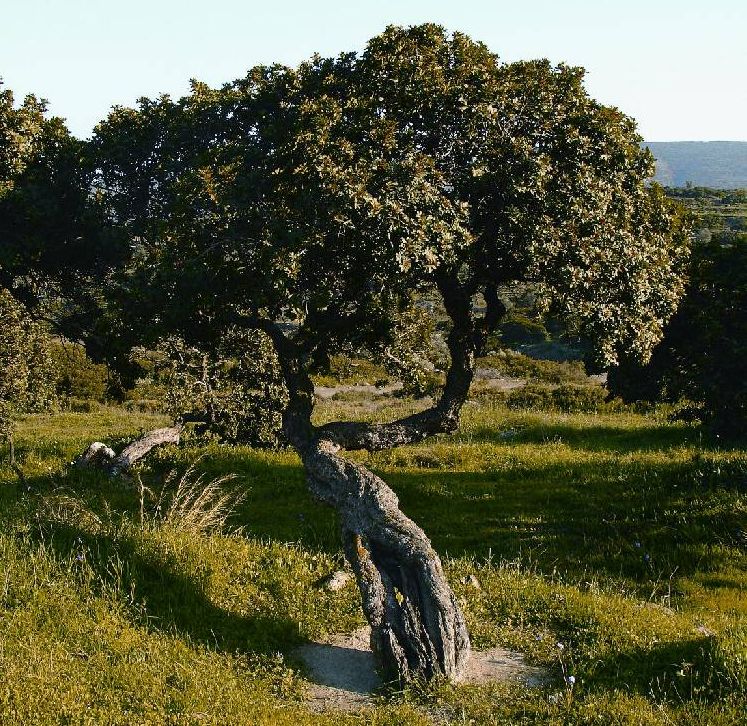
Greece: The mastic tree is an evergreen bush that thrives in the Eastern Mediterranean area, but only in the southern part of the island of Chios, a Greek island, does the plant produce resin that congeals. Its scientific name is Pistacia lentiscus var. Chia, of the Anacardiaceae family.
Poland: N/A.
Italy: It grows prolifically in Liguria, the peninsula and upon the islands.[/wpspoiler]
[wpspoiler name=” Cultural aspects(stories/songs)”]Ireland: N/A
Germany: N/A
Greece: quiz: It's yellow sun but it is not, but melts like mastic gum is not. What is it? (The yellow cheese)
Song 1: “I smelled mastic” Music: Giannis Choulis, Lyrics: Vasilis Gikas, vocals: Athina Chioti( «Μαστίχα μύρισα» Μουσική: Γιάννης Χούλης, στίχοι: Βασίλης Γκίκας, τραγούδι: Αθηνά Χιώτη) https://www.youtube.com/watch?v=sPb0Xj0OSQ8
Song 2: “Masticha” traditional song of the island of Kithnos. http://www.youtube.com/watch?v=SWaPce4SynY
Poland: N/A.
Italy: mostly associated with Sard Gastronomic Culture (on the Island of Sardinia) its oil, known as ‘oll’e stincu’, was mixed with olive oil, which at the time was more destined, as extra virgin olive oil, for only the wealthier tables.[/wpspoiler]
[wpspoiler name=”Contemporary use(cuisine/ cosmetics/medicine)”]Ireland: N/A
Germany: N/A
Greece: 1. Chewing can cause significant inhibition of bacterial growth in the oral cavity, while reducing the formation of plaque on teeth. Chewing also helps dressage gum, with all its beneficial effects on the health of teeth and because of the special taste and hardness, causes secretion saloiy, resulting in a feeling of freshness and cleanliness. 2. Unique in flavor and quality honey pine scented Mastic Chios. The fir honey is considered one of the best and aromatikoteres honey varieties. Is particularly thick and due to the high concentration of trace elements has high nutritional and biological value.
3. Masticha ice cream,
Ingredients:
1 tin of vegetable whipped
1 tin of sweetened milk
1 tin of fresh cream
3 teaspoons of mastic
1 vanilla
How we make it:
Heat the milk and pour in the masticha gum to melt. Mix in a blender all remaining ingredients until they become fluffy and finally add the milk and mix for a while. Place the mix in the freezer for at least 6 hours.
4. Melitera (Cheese pies) from Anafi island
Ingredients:
1 pound fresh cheese
5 eggs
1 cup semolina
½ pound of sugar
1 teaspoon of mastic
½ teaspoon cinnamon
1 vanilla
Base pastry
How we make it:
Crumble the cheese with a fork. Add the beaten eggs, sugar, crushed mastic and semolina. Lay down the pastry and cut round diameter of about 10 cm, the center put a spoonful of filling and close them. Bake at 170 C, until browned.
5. Wedding mastic bread
Ingredients:
One pound of weat flour
30 grams of yeast
1 tablespoon of sugar.
salt
1 tablespoon of olive oil .
three grains of mastic ( in powder form )
water which have been boiled with aniseed .
How we make it:
Put in a bowl the flour , sugar , salt, mastic gum . Mix all ingredients together. In the middle of the pastry open a hole and pour the olive oil , the flavored water and diluted with warm water yeast. Knead well, and we leave it to " rest " for an hour , covered with a towel . Again knead and mold into small round buns. Place them on trays . Let it rise for two hours at room temperature (35 ° C).
Before baking , brush them with egg and plenty of sesame . Bake in oven at 200 °
6. Mastic “submarine”
Ingredients:
6 cups of Sugar
1 1/2 cups water
half tablespoon glucose
Mastic powder
How we make it:
Place in a saucepan the sugar and water and boil until the syrup thickens. Add glucose and mix, remove from heat, pour in the mastic gum and leave to cool. Mix well and pour into jars.
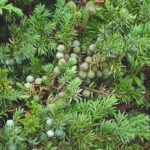
Poland: The fruit are small and often fleshy drupes, gathered in clusters.
Italy: On the Island of Chio, an aromatic liqueuer made from Pistacia lentiscus resin is popular. In cooking, however, use of the oil has been replaced almost entirely by olive oil. [/wpspoiler]
[wpspoiler name=”Traditional use (remedies, uses)”]Ireland: N/A
Germany: N/A
Greece: the essential oil of mastic, which as stated variously applied for diseases of the uterus, as mild heating, astringent and emollient agent.
Poland: N/A
Italy: Traditional intarsio furniture used inlaid wood from Pistacia lentiscus, especially between 1440 and 1550.[/wpspoiler]