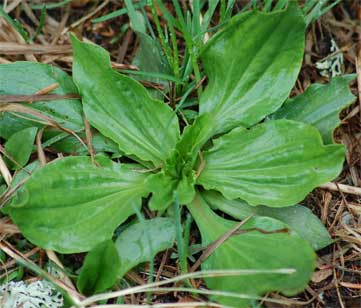
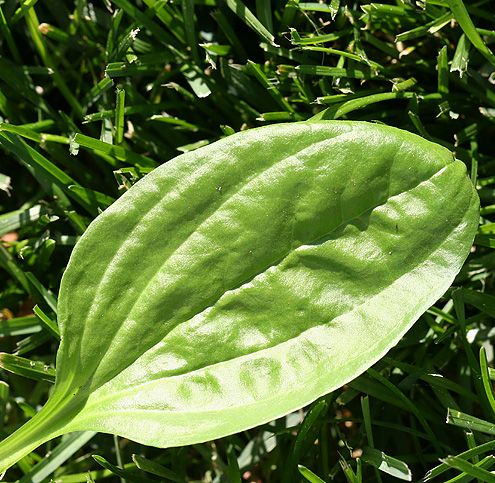

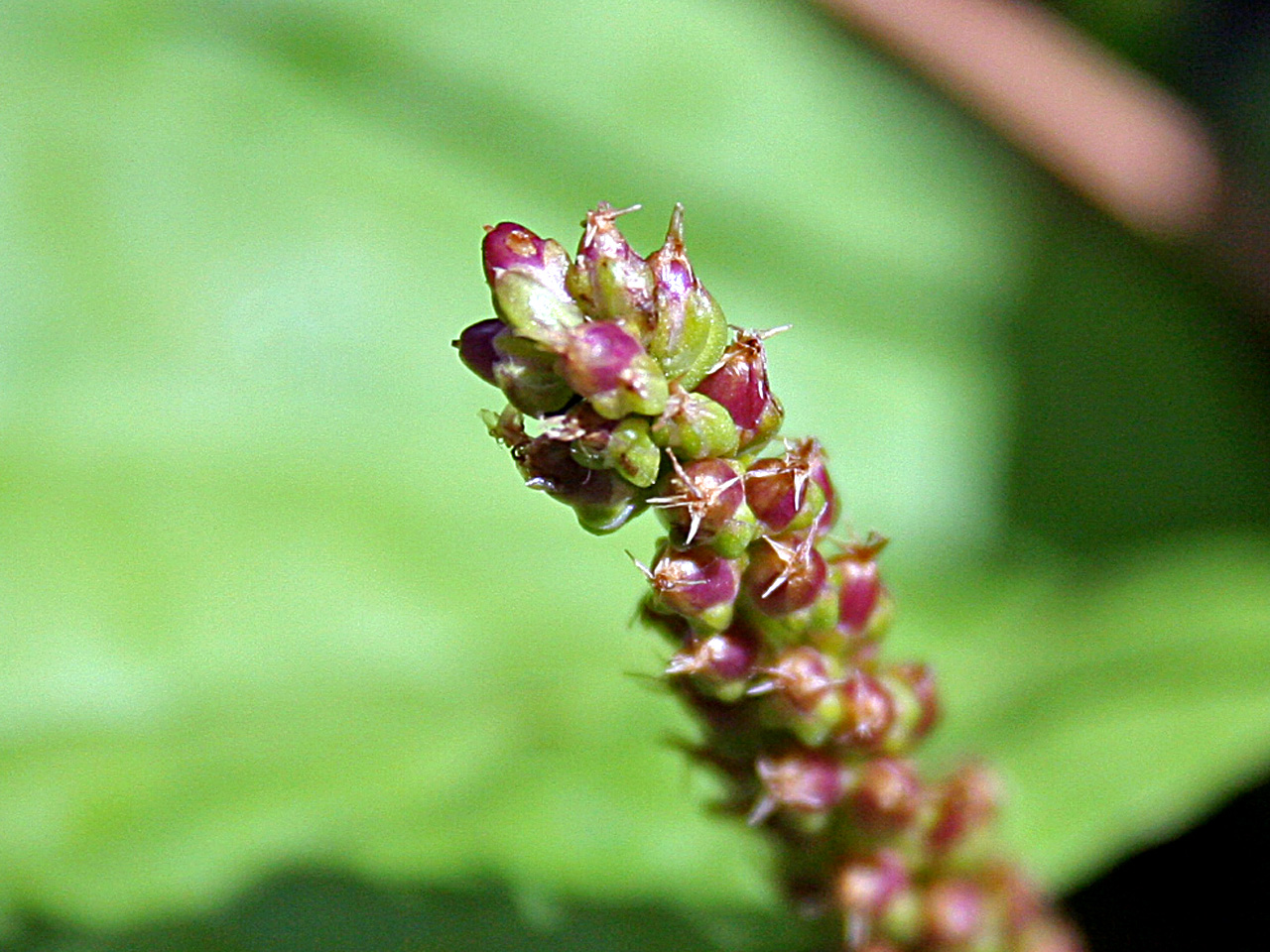
Effects: astringent effect; cold treating; Antipyretic; Antitussive; Emollient; Blood rectifier, Anti-hemorrhagic; Immune Enhancing; Hepatoprotective; Anti-ulcerogenic; Antidiarrheal; Antinociceptive; Antioxidant and Free Radical Scavenging; anti-fatigue
Use: Whole plant decoction – Healing different kinds of wounds such as (snake bite, intestinal worms and infectious wounds); Extract of the root – Urinary tract infection; toothache; Remedy for diabetes; Topical use of leaves (lotion); Decoction of root; Mixture of the sap of leaves and honey Remedy for Ear pain & bruise. Although Plantain has many uses when taken internally it is best known for its external benefits. The most popular of these are in treating skin problems.
Background information: Plantago major L. (also known as plantain and way bread) is a member of the Plantaginaceae family. It is known to be one of the most abundant and widely distributed medicinal crops in the world. Leaves and seeds of the plant have been widely used in folk medicine for various purposes, including treatment of an extensive range of diseases and disorders such as respiratory complications and digestive system affections.
Broadleaf plantain is also a highly nutritious wild edible, that is high in calcium and vitamins A, C, and K. The young, tender leaves can be eaten raw, and the older, stringier leaves can be boiled in stews and eaten.
[wpspoiler name=”Where to find it”]Ireland: Commonly found grows in lawns and fields, along roadsides, and in other areas with that have been disturbed by humans. Plantain does particularly well in compacted or disturbed soils.
Germany: As in Ireland it grows in lawns and fields, along roadsides and also in footpaths as it is a very robust plant.
Greece: It grows by itself everywhere, in fields and in residential areas and mostly roadsides. Plantago lanceolata is also common in Greece
Poland: it grows almost everywhere has the possibility .
Italy: Very prolific. Found in the following regions : Valle d'Aosta, Piedmont, Lombardy, Trentino-Alto Adige, Veneto, Friuli-Venezia Giulia, Liguria, Emilia-Romagna, Tuscany, Marches, Umbria, Lazio, Abruzzo, Molise, Campania, Puglia, Basilicata, Calabria, Sicily, Sardinia[/wpspoiler]
[wpspoiler name=” Cultural aspects(stories/songs)”] Ireland: The young leaves when picked small are very tasty and can be eaten like a salad.
Germany: The German name “Wegerich” shows its meaning as king of the roads and by this its importance already in ancient times, “wega” is the old German word for “road” and “rih” for king.
Greece: N/A
Poland: N/A
Italy: in Italy there is a memory of the herb being used in preparations to apply to the battle wounds of soldiers[/wpspoiler]
[wpspoiler name=”Contemporary use(cuisine/ cosmetics/medicine)”]Ireland: Leaves can be blended with pear, lemon and avocado to make a green sauce.
Germany: Plantain is often used in soups or mixed with other herbs and cream cheese. A more typical German recipe is for Plantain dumplings:
4 rolls (older ones that are dried already), 110g fresh, 50g chopped onion, 40g creamed horseradish, 1 egg, 1 egg yolk, ½ tea spoon sea salt, a little bit of nutmeg, ½ table spoon sour cream, 1-2 table spoons flour, 200ml milk, 3 slices dried tomatoes, 1 tea spoon butter, 2,5l salted water
Slice the rolls, place slices into a large bowl and pour the warm milk over; let soak for 20 minutes. Lightly fry the onion, add chopped plantain and tomatoes, let it simmer a bit, then add it to the bread/milk mixture together with the eggs, sour cream, nutmeg, salt as well as horseradish and knead together. Then wet your hands and form the dough into four round dumplings. Bring a pot of salted water to a boil. Place dumplings carefully into the water and simmer (do not boil) for 15 minutes, until done.
Greece: 1. The essential oil can be use to make a night cream against rincles. 2. The leaves of plantain contain substances that have an effect on reducing total lipids, triglycerides, cholesterol, and lipoproteins in the blood and are indicated as a preventive for heart disease. 3. The plantain is a strong gelling.
Poland: Culinary Arts: fresh leaves are added to salads, dried used as a herbal tea.
Italy: The more tender leaves are chosen to be consumed uncooked in salad. Alternatively they are eaten boiled like spinach or mixed in soups with other vegetables.[/wpspoiler]
[wpspoiler name=”Traditional use (remedies, uses)”]Ireland: The broad-leaved plantain has been used to draw out ear infections in Ireland – the strings inside leaves are pulled out and rolled into a ball, larger than the hole in the ear, and left for a time. The plant’s astringent properties draw out the ear infection
Germany: In ancient times, as a remedy for ague, the whole plant, roots included, was hung round the neck as an amulet. An old blood purification process was to eat the 1st of May one plantain leaf. Then until the 15st May every day one leaf more should be eaten so that by 15th 15 leaves are reached. Then the amount should be reduced by 1 per day so that the last leaf is eaten 30 May. After this treatment the blood would be fully purified.
Plantain leaves are a fast and practical help against blisters. So when hiking and getting a blister, just take a plantain leaf, rip it up a little, chew it and then apply it as a poultice directly. It is also known as Snakeweed because of its abilities to draw poison from a wound. Plantain is so helpful when suffering from a bee sting, insect bite, stinging nettle sting or even a splinter. Just pick a fresh leaf chew it up and put it on the sting.
Cough syrup:
250g fresh plantain leaves
250ml walter
250ml sugar
125ml honey (better forest honey)
Wash and mash the leaves, add water sugar and honey. Cook, uncovered and simmering, until the syrup reduces and gets thick.
Greece: 1. In ancient times was used as a healing plant for wounds and bruises. For external use fresh chopped plantain leaves are used as poultice to bleeding, wounds, insect bites, dog bites or snake bites. 2. Traditionally was used to prevent maternal bleeding after childbirth. It stops bleeding quickly and helps repair damaged tissue.
Poland :
NOURISHING "GREEN JUICE"
3 cups (180g) fresh leaves of plantain
250 ml of pure liquid honey
1 glass bottle
Crush plantain leaves. Drain the liquid. Mix 1 szklankć (250ml) of green juice with honey and simmer for about 10 minutes over low heat, stirring regularly. Cool and pour into a glass bottle. Green nectar used in amounts of 1 tablespoon – to cough. The green juice is also used to treat sore throat, anemia, fatigue, and eczema. Take 1 tablespoon 3 times a day.
Italy: The herb‘s medical properties were known in the ancient world: numerous greek and latin writers have written about its medical uses, including Dioscorides, who recommended it as a cure for dysentry, while Pliny referred to it as a "magic herb" owing to its numerous curative properties.[/wpspoiler]